On May 17, 2026, the memorial service for Maisy Ho, executive director of Shun Tak Holdings and daughter of Ho, was held at the Grand Hyatt Hong Kong following her death in April. Among those paying their respects was a prominent delegation from the Fok family, including Timothy Fok and third-generation descendants Kenneth Fok and Eric Fok. Their presence highlighted the enduring ties between the two clans.
According to Sing Tao Daily, few relationships in the business history of Hong Kong and Macau have been as influential or complicated as the one between Ho and Fok. Over several decades, the two men helped shape the region’s economic and political landscape: Ho built Macau’s casino empire, while Fok developed infrastructure in the city.
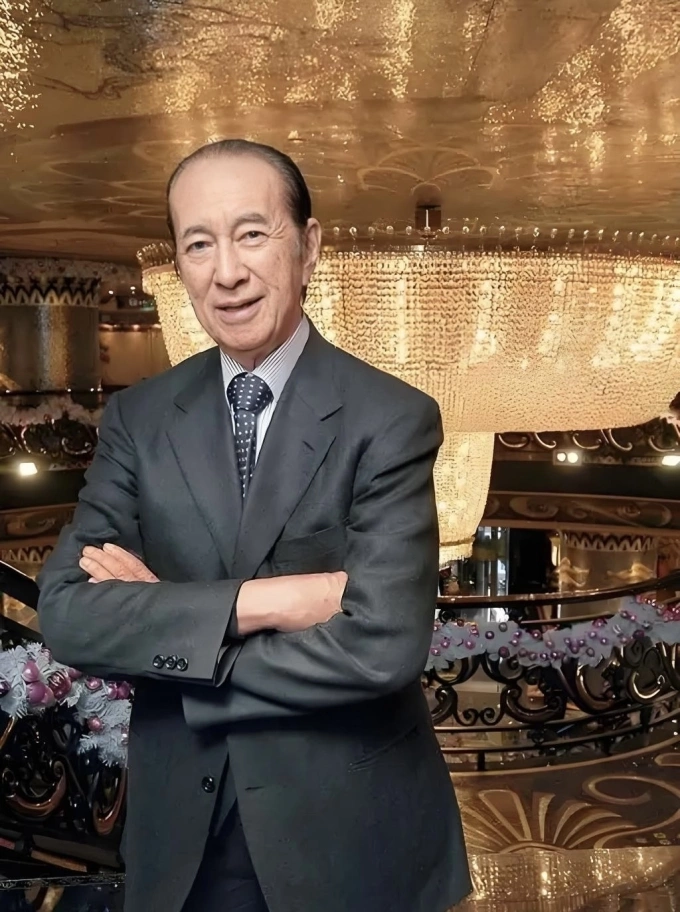 |
“King of Gambling” Stanley Ho. Photo from Xiaohongshu |
Hong Kong media outlets such as HK01 and Ming Pao have described the pair as “both rivals and friends. Mainland Chinese scholars and media often portray them as a powerful business and political alliance that helped lay the foundation for modern Macau.
The first generation: building Macau together
The year 1961 is widely considered a turning point in Macau’s economic history. When the Portuguese colonial administration introduced an exclusive gambling concession system, Ho joined forces with Fok, businessman Yip Hon, and hotel tycoon Teddy Yip to bid for casino operating rights.
The Chinese media later dubbed the group “The Four Heavenly Kings of Macau.”
According to China News Service, the partnership worked because each man focused on a different area. Ho handled casino operations, management and public relations, while Fok oversaw ports, maritime transport, logistics and financing.
Many Chinese scholars view the Ho-Fok alliance as the foundation of Macau’s modern service economy.
Without Fok, Macau might not have developed the infrastructure needed to become a major tourism destination. Without Ho, local gambling houses might never have evolved into a large-scale casino and entertainment industry connected to hotels, transport, and tourism.
China News Service reported that Fok invested millions of Hong Kong dollars to dredge Macau’s outer harbour and improve ferry links with Hong Kong, which were essential to the territory’s economy at the time. Some of those investments were later converted into shares in Sociedade de Turismo e Diversões de Macau (STDM), the company that held Macau’s casino monopoly under Ho for decades.
The two men built what many described as a mutually beneficial partnership while sharing similar political views. Both families invested early in mainland China after the Reform and Opening-up period, and supported education, sports, and charity projects across the region.
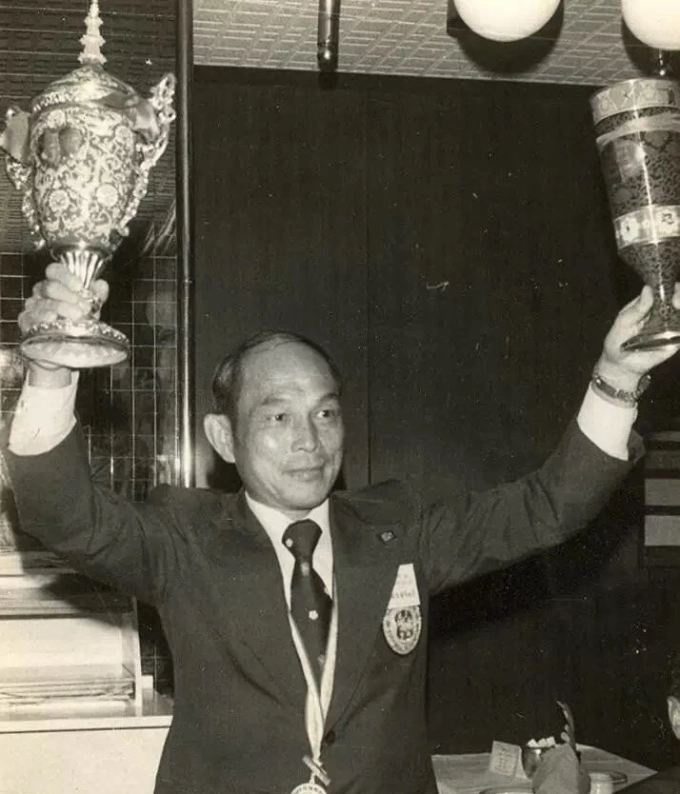 |
Entrepreneur and politician in Hong Kong, Henry Fok. Photo from Xiaohongshu |
Even so, the relationship between Ho and Fok was never completely smooth. By the late 1990s and early 2000s, as Macau prepared to open its gaming industry to foreign competition, tensions began to emerge.
The value of STDM soared, and Ho increasingly became the sole public face of Macau’s casino industry, while Henry Fok’s contributions in infrastructure and logistics received far less attention.
According to Sohu, this reportedly became difficult for Fok to accept.
On April 1, 2002, Fok publicly announced his departure from STDM and transferred the proceeds from selling his shares to the Henry Fok Ying Tung Foundation. At the time, Forbes reported that Fok said he had “lost interest in the casino industry.”
Sohu added that one of his most widely discussed remarks after leaving Sociedade de Turismo e Diversões de Macau was: “Without me, there would be no Stanley Ho.”
The quote was widely republished in the Chinese-language media and came to symbolize the breakdown of an alliance that had lasted nearly half a century.
In later years, although Fok said he and Ho “remained friends,” he admitted they rarely met. He once told reporters: “When we meet during Lunar New Year, we simply reminisce about old times.”
Observers in Hong Kong said the rift went beyond business disagreements. Over time, the two men developed very different public identities. Fok increasingly distanced himself from the image of the gambling industry and focused on patriotic investments, sports and philanthropy. Ho fully embraced his reputation as Macau’s “King of Gambling,” and built much of his influence around the casino business.
Despite their differences, the two men never completely severed ties. They continued to show mutual respect in public and rarely criticized one another directly. In Hong Kong’s old business culture, maintaining dignity and preserving relationships were often seen as just as important as power.
When Fok died in 2006, Ho helped carry his coffin at the funeral, a gesture widely seen as proof that the two remained close despite their differences. Ho later described Fok as one of the wisest people he had known, saying: “I learned patience from him.”
The second generation: Staying within the same elite circle
As the founding generation passed away, relations between the Ho and Fok families evolved into a more corporate and less personal partnership.
If the first generation was united by the project of building Macau, the younger generation maintains ties largely because both families remain part of Hong Kong and Macau’s elite business circle.
According to HK01, while the deep personal bond between Ho and Fok belongs to the past, a strong sense of mutual respect still exists between the two families.
The Hong Kong media has recorded no major public disputes between the Fok family and the main branches of the Ho family. In fact, they frequently appear together at political events, charity functions, and sports-related activities.
When Ho died in 2020, Fok’s son served on the funeral committee and described him as “a man who contributed enormously to Macau’s development.”
In 2010, the two families reunited in business through SJM Holdings, the publicly listed casino operator that has inherited much of STDM’s gaming empire, where Fok’s son later became the second largest shareholder.
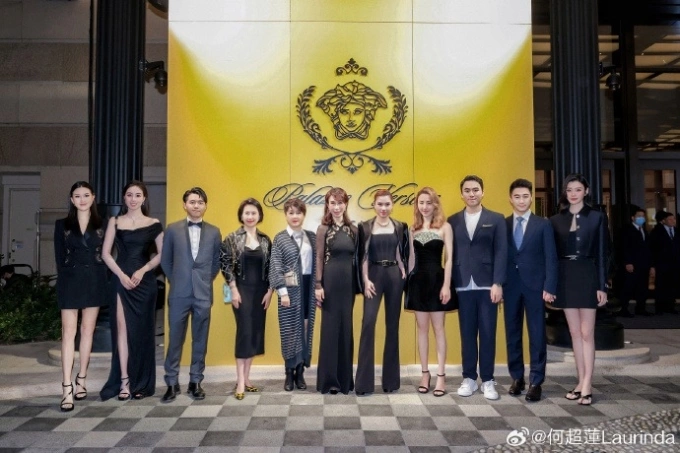 |
The children of casino tycoon Stanley Ho attend the opening ceremony of Palazzo Versace Macau, the first Versace hotel in Asia, in Macau. Photo from Laurinda Ho’s Weibo |
The descendants of both families also continue to move within the same small upper-class social circle in Hong Kong. They attended similar schools, joined the same business and charitable organizations, and grew up meeting one another through banquets, horse-racing events and family gatherings.
Today, the Ho family remains deeply involved in Macau’s casino industry, and controls major business assets. Meanwhile, the Fok family continues to wield influence in Hong Kong politics, particularly in sports.
A columnist for Ming Pao once summed up the relationship this way: Ho and Fok were “rowing the same boat,” while their descendants are now simply “standing within the same social class.”
Sourcee.vnexpress.net